

Imagine stepping into a world where you can design, build, and furnish your dream home - all without lifting a hammer or spending a dime on furniture. Sounds like something out of a sci-fi movie, right? Well, welcome to the metaverse, where the lines between reality and imagination blur, and the worlds of construction, interior design, and architecture are being revolutionized in ways that would make even the Jetsons jealous.
From Blueprints to Bytes
Let’s start with construction. Traditionally, building a house is a long, labour-intensive process involving countless hours of planning, materials, and manpower. But in the virtual world, the game has changed entirely. Enter the virtual builder - someone who can construct digital structures with the same precision and creativity as a real-world architect.
Take platforms like Minecraft or Fortnite, for example. These aren’t just games for kids; they’ve become training grounds for a new generation of virtual builders. In Minecraft, entire cities are constructed block by block, with some designs so intricate they could rival real-world architectural feats. People are even being hired as professional builders within these virtual environments, creating bespoke digital homes, skyscrapers, and entire neighbourhoods for companies and metaverse dwellers.
Imagine designing your dream home without worrying about zoning laws or budget constraints. Want a floating mansion with a pool that defies gravity? No problem! How about a house made entirely of glass perched on a cliff in a virtual Yosemite? Easy! The possibilities are as limitless as your imagination.
Furnishing Your Digital Abode
But what’s a beautifully constructed virtual home without some stylish interior design? Just like in the real world, the inside of your virtual space matters. And this is where virtual interior designers come into play.
In the metaverse, you can hire a virtual interior designer to curate the perfect look for your digital home. These designers are experts in choosing digital furniture, art, and decor that reflect your style - whether it’s minimalist, bohemian, or something entirely out of this world. Think of it as playing The Sims, but instead of controlling pixelated characters, you’re designing spaces where real people (or their avatars) will interact.
For example, platforms like Decentraland or Second Life allow users to buy, sell, and trade digital furniture and decor. You could start with a bare-bones virtual apartment and, with the help of a virtual designer, transform it into a cozy, modern loft with a fireplace, art on the walls, and a view of a digital skyline that puts New York City to shame.
What’s even more exciting is the rise of NFT (Non-Fungible Token) furniture and art. These are unique digital assets that you can own, display, and even resell in the metaverse. So not only can your virtual home look fabulous, but it can also be an investment in digital art and collectibles.
Architects in the Metaverse
Architecture has always been about pushing boundaries, but in the metaverse, those boundaries are practically nonexistent. Architects in the virtual world are free to design structures that defy the laws of physics and challenge our understanding of space and form.
Imagine an entire city suspended in the sky, connected by floating bridges, with buildings that change shape depending on the time of day or mood of the inhabitants. Sounds wild? This is the kind of innovation that’s happening right now in virtual spaces like Somnium Space or Cryptovoxels.
Architects are no longer limited by the constraints of physical materials or environmental concerns. Instead, they can let their creativity run wild, designing buildings that are as much works of art as they are functional spaces. And just like in the real world, these virtual structures can be visited, lived in, and interacted with by people all over the globe.
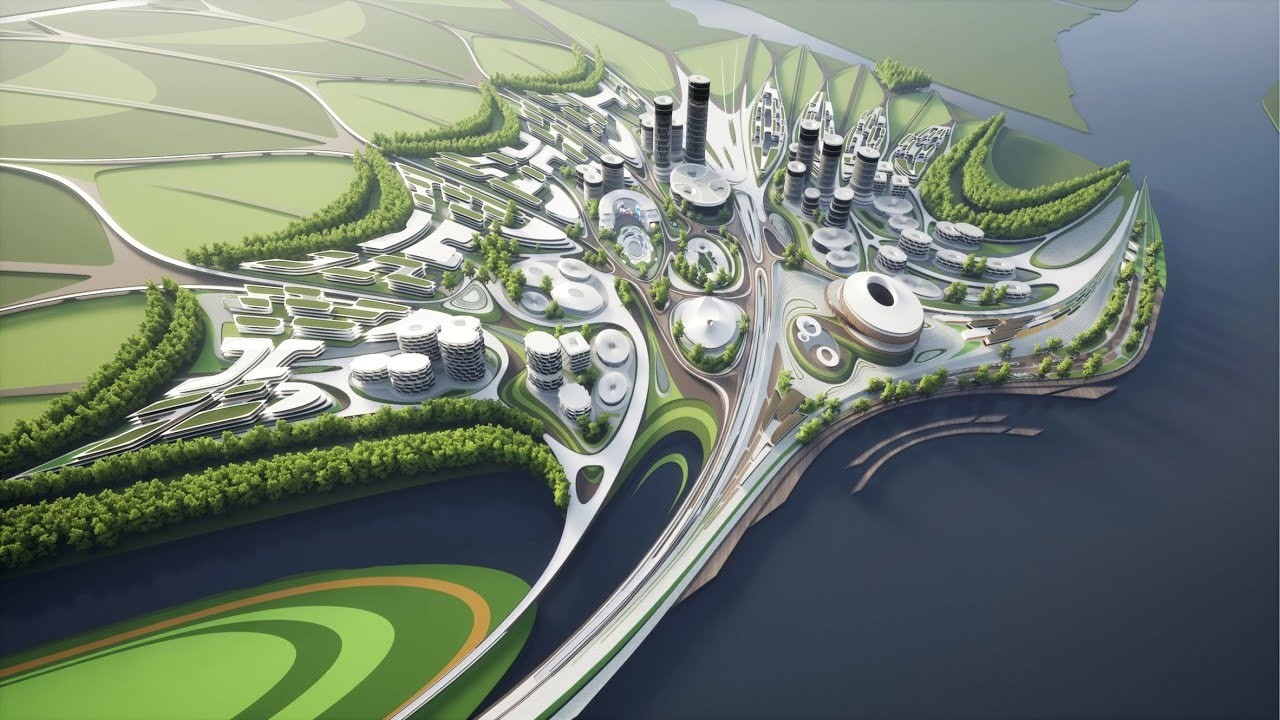
For example, the architect Zaha Hadid, known for her futuristic designs, has inspired many virtual buildings that push the envelope of what’s possible in architecture. In the metaverse, you might find a Zaha Hadid-inspired structure that looks like a flowing ribbon of glass and steel, wrapping around a central plaza where avatars gather for virtual events.
The Future of Virtual Spaces
So, what does the future hold for construction, interior design, and architecture in the metaverse? As technology advances, we’ll likely see these virtual professions evolve even further, with more realistic and immersive experiences.
Imagine walking through your virtual home with a VR headset, feeling as if you’re actually there, touching the walls, and sitting on the furniture. Or collaborating with a virtual architect in real-time to design your next digital dream home, making changes on the fly and seeing them come to life before your eyes.
The metaverse is still in its early stages, but the potential is enormous. Virtual builders, interior designers, and architects are at the forefront of a digital revolution that’s set to change how we think about space, design, and construction. So, grab your VR headset, fire up your favourite platform, and let your imagination soar. The future of construction is here, and it’s virtual.
.jpg)

