
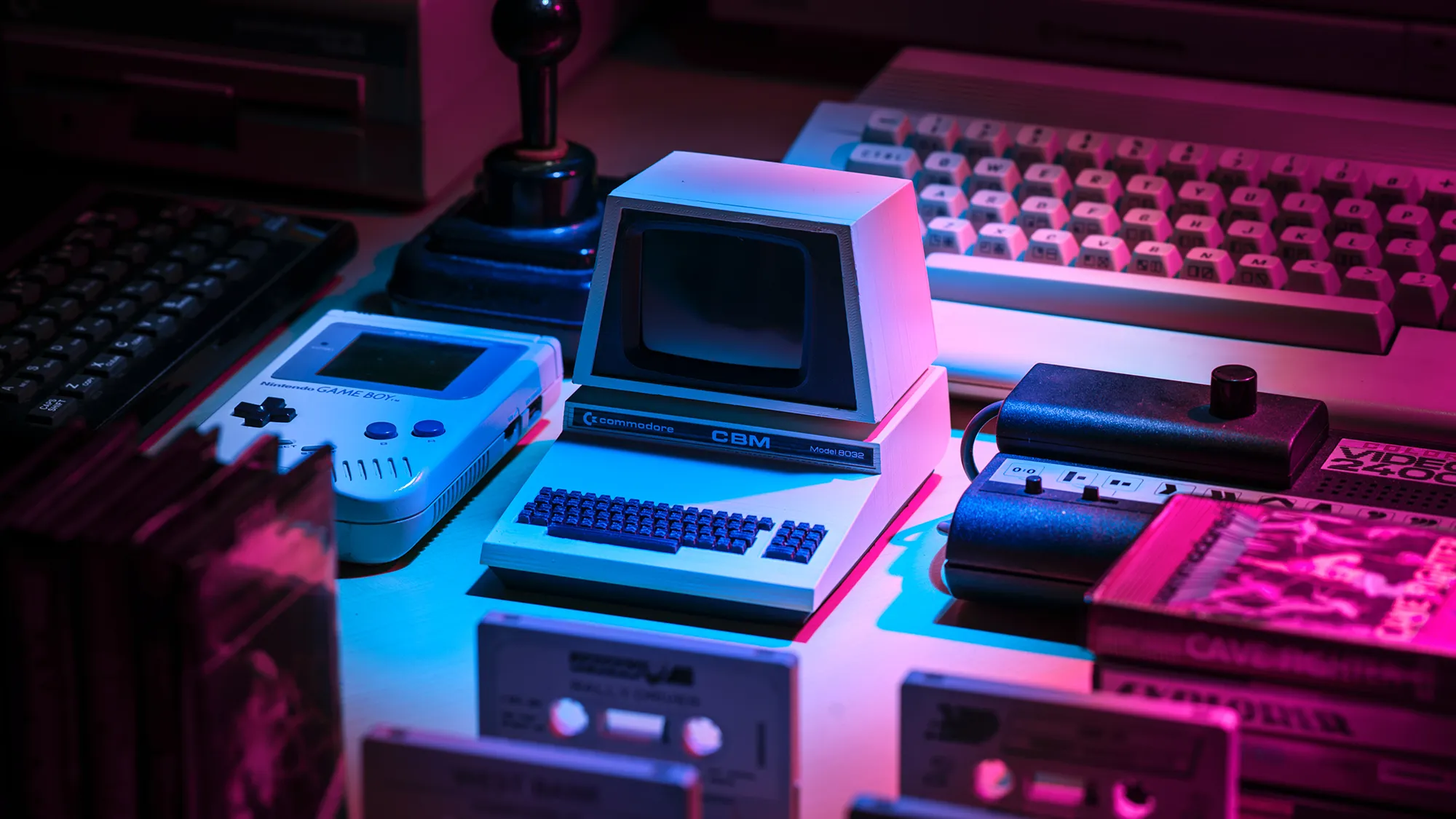
If you’ve spent any time around the tech world lately, you’ve probably noticed a funny pattern. We keep racing toward “the future” with bigger screens, smarter assistants, more automated everything, and yet, a growing number of people are looking back longingly at the stuff we already had, and loved.
At CES 2026, that nostalgia got a high-profile champion in Palmer Luckey, the VR wunderkind turned defence-tech CEO of Anduril. In a conversation covered by TechCrunch, Luckey’s take was refreshingly blunt: the future of tech might actually be in the past. And he wasn’t alone, Reddit co-founder Alexis Ohanian seemed to be nodding along with the general vibe that, in a lot of ways, things were better back then.
So what’s really going on here? Is this just another case of “kids these days,” except the kids run billion-dollar companies? Or is tech actually circling back for good reasons?
Why “New” Tech Keeps Feeling… Not That Great
For years, the pitch has been simple: more convenience, more connection, more intelligence. But somewhere between the 14th subscription, the fifth mandatory app update, and the device that won’t work unless it’s connected to three clouds and a partridge in a pear tree, people started to get tired.
A lot of modern tech feels like it’s designed for metrics, not humans. You buy a product, but you’re also signing up for an ecosystem. You open a platform, but you’re also walking into an attention marketplace. You try to do one quick task, and you’re asked to create an account, verify a code, accept cookies, and “agree” to terms you’d need a law degree to translate.
The “old days” Luckey and Ohanian refer to weren’t perfect, but plenty of older tech had one magical feature: it did the thing it promised, and then it got out of your way.
The Secret Sauce We Miss: Ownership and Control
If there’s one word that captures the tech nostalgia trend, it’s ownership.
Older gadgets and software often came with a clear value exchange. You paid once, you owned it, you used it. It wasn’t constantly re-negotiating the relationship with you through pop-ups and policy changes.
Today’s tech, even when it’s brilliant, can feel temporary. Features disappear. Interfaces change overnight. A product you love gets acquired, “reimagined,” and quietly turned into something else. Even worse, some devices can lose functionality if the company behind them changes strategy or shuts down a service.
So when people say they miss the past, they’re not necessarily pining for dial-up internet. They’re missing the feeling that the tools they relied on were truly theirs, predictable, stable, and built to last.
“Retro” Doesn’t Mean Regressive
This isn’t an argument for going backwards. It’s more like a call for balance.
The most interesting part of this conversation is that it’s happening among people who helped build modern tech culture. Luckey made his name in VR, one of the most future-forward categories imaginable. Anduril, the company he runs now, is all about advanced defence systems and high-tech capabilities. When someone like that says we should borrow from the past, it’s not because he’s afraid of innovation, it’s because he’s thinking about what actually works.
Sometimes progress means bringing back the principles we lost along the way: simplicity, durability, privacy, and tech that respects your time.
What This Means for Businesses (Especially Small Ones)
Here’s where this gets practical. If customers are craving tech that feels human again, businesses that communicate in a more human way are going to stand out.That doesn’t mean abandoning modern platforms. It means using them like tools, not letting them turn your brand into another faceless content machine. The companies that win attention now are the ones that feel clear, consistent, and trustworthy. No gimmicks. No exhausting funnels. Just a strong message, delivered well, with a little personality and a lot of reliability.
And honestly, that’s great news for small businesses. You don’t need to outspend big brands, you just need to out-human them.
A Quick Note Before You Go
If you’re a small business looking to build a stronger presence online, we help with media solutions that make you look sharp and sound like you. From content to brand storytelling that doesn’t feel like it was assembled by committee, we’ve got you. contact us today to get started.
.jpg)

